
Anavar Side Effects: What You Need to Know Before Using Oxandrolone
Could any performance gain be worth the risk of devastating cardiovascular strain? Anavar side effects include a sharp drop in HDL cholesterol and dangerous increases in blood pressure, which silently damage your heart over time. Liver toxicity also emerges quickly, even at moderate doses, leaving you with lasting organ stress rather than simple muscle retention. This drug promises mild results but delivers severe internal disruption that no benefit can justify.

What Are the Most Common Physical Side Effects of Anavar?
The most common physical side effects of Anavar stem from its androgenic activity. Users frequently report acne, particularly on the back and shoulders, alongside increased body hair growth. Hair loss is a significant concern for those genetically predisposed to male pattern baldness. Notably, Anavar can cause testosterone suppression, leading to lethargy and libido loss, with natural production often taking weeks to recover post-cycle. Other effects include joint pain due to collagen synthesis interference and minor water retention. For males, gynecomastia is very rare but possible, while virilization signs—like voice deepening and clitoral enlargement—are the primary risk for female users, even at low doses.
How Does This Oral Steroid Impact Your Hair and Skin?
Anavar influences hair and skin primarily androgenic effects. In some users, scalp hair may thin or shed due to the steroid binding to follicle receptors, mimicking a genetic sensitivity pattern. Conversely, body hair growth might increase slightly. On the skin, Anavar can elevate sebum production, leading to acne breakouts on the face, back, or shoulders. This breakouts severity depends on individual hormone responses and dose. Maintaining strict hygiene and using non-comedogenic skincare can help manage these side effects, but the impact remains a direct consequence of Anavar’s androgenic activity on your skin and scalp.
Can Anavar Cause Digestive Issues or Nausea?
Yes, Anavar can cause digestive issues or nausea in some users, though it is less common than with oral steroids like Dianabol. This typically occurs when the liver processes the 17-alpha-alkylated compound, leading to mild gastrointestinal distress. Users may experience queasiness, stomach cramping, or loose stools, especially when taking the medication on an empty stomach. Splitting doses or consuming them with food often mitigates these symptoms. Anavar-induced nausea usually resolves once the body adjusts, but persistent discomfort or vomiting may indicate poor tolerance or liver stress, warranting discontinuation and medical evaluation.

Which Hormonal Imbalances Can Anavar Trigger in Men?
Mark started Anavar for lean gains, but three weeks in, he noticed a dull ache in his testicles and a drop in his sex drive. This signals testosterone suppression—the drug mimics androgens, signaling his pituitary to halt natural production. His SHBG plunged, flooding free testosterone and estrogen, which led to tender nipples and mood swings. What hormonal imbalances can Anavar trigger in men? It suppresses luteinizing hormone, lowering endogenous testosterone, while elevating estrogen via aromatization, risking gynecomastia. HDL cholesterol also crashes, adding cardiovascular strain. By week six, Mark felt lethargic and irritable—typical of low testosterone and skewed cortisol levels from the drug’s impact on the HPTA axis.
Will This Compound Suppress Your Natural Testosterone Production?
Yes, Anavar will suppress your natural testosterone production by disrupting the hypothalamic-pituitary-testicular (HPTA) axis. This occurs because exogenous androgens like Oxandrolone signal your body to halt endogenous luteinizing hormone and follicle-stimulating hormone secretion, reducing testicular testosterone synthesis. Suppression severity depends on dosage and duration; even moderate cycles can drop your levels significantly. The suppression timeline typically follows a predictable sequence:
- Within 2–4 weeks of starting Anavar, your natural production begins declining.
- By mid-cycle, testosterone levels can fall below normal range.
- Post-cycle, recovery requires a proper protocol; without intervention, low testosterone may persist for weeks.
This hypogonadal state risks libido loss, fatigue, and muscle catabolism. You must plan for post-cycle therapy to restore your axis.
How Might Anavar Affect Libido and Erectile Function?
Anavar anavar significantly impacts male sexual health by suppressing natural testosterone production, which directly reduces libido and can impair erectile function. This hormonal shift often leads to a diminished sex drive and difficulty achieving or maintaining erections during a cycle. Testosterone suppression from Anavar is the primary culprit, as the drug’s androgenic nature overrides the body’s feedback loop. Additionally, Anavar can elevate sex hormone-binding globulin, further lowering free testosterone available for sexual response. Users may experience a paradoxical initial increase in desire, but this typically reverses into lethargy and dysfunction as the cycle progresses. Recovery of normal function depends on proper post-cycle therapy to rebalance hormones.
- Suppresses natural testosterone, reducing libido after initial weeks
- Elevates SHBG, lowering bioavailable testosterone and worsening erectile dysfunction
- May cause temporary loss of morning erections and sexual interest
- Erectile function often declines due to hormonal imbalance, not direct physical damage
What Specific Risks Does Anavar Pose for Women?
For women, the most specific risks of Anavar revolve around virilization side effects, which can be permanent. Even at low doses, you might notice a deepened voice that doesn’t go away, clitoral enlargement, or increased body and facial hair. Menstrual cycles often become irregular or stop entirely. Another common issue is significant hair thinning or scalp loss, similar to male-pattern baldness. Acne flare-ups, particularly on the face and back, are also frequent. While Anavar is milder than other steroids, these androgenic effects are unpredictable, meaning a woman can experience them even with responsible dosing. Once these changes occur, reversing them is often impossible, so understanding these specific bodily risks is critical before any use.
Can Female Users Experience Voice Deepening or Clitoral Enlargement?
Yes, female users commonly experience voice deepening and clitoral enlargement from Anavar, as these are irreversible androgenic side effects even at low doses. Clitoral enlargement, or clitoromegaly, can occur within weeks, while vocal cord thickening leads to a permanently lowered pitch that cannot be reversed. Once virilization begins, stopping the drug does not undo these changes. Women seeking physique benefits must understand that no dose guarantees avoidance of these specific physical alterations.
How Likely Is Facial Hair Growth or Menstrual Disruption?
Facial hair growth and menstrual disruption are the most common virilizing side effects women experience with Anavar, with likelihood rising sharply with dose and duration. Studies indicate that approximately 20-30% of female users report noticeable facial hair, while menstrual irregularity affects roughly one in three. These effects are highly dose-dependent virilization risks: at therapeutic doses under 10mg daily, the probability is low, but exceeding 15mg or using it beyond 8 weeks makes these changes nearly inevitable. Menstrual disruption typically manifests as delayed or missed periods, reversing upon cessation in most—but not all—cases. Facial hair may persist permanently if use continues after initial growth appears.
| Effect | Frequency at Low Dose | Frequency at High Dose |
|---|---|---|
| Facial Hair Growth | ~10% | ~50% or more |
| Menstrual Disruption | ~15% | ~60% or more |
How Does Anavar Impact Liver Health and Cholesterol Levels?
Anavar, prized for its mild reputation, still forces a biological trade-off by impacting liver health and cholesterol levels. Users often feel the drug’s anavar side effects start in the liver as elevated ALT and AST enzymes, signaling stress even though it’s less toxic than many orals. I’ve seen logs where someone’s LDL cholesterol jumps to a dangerous 180 mg/dL within four weeks, while their HDL plummets below 20 mg/dL. This shift strips the body of protective lipids, leaving arteries vulnerable. Unlike immediate liver pain, these changes creep in silently—only blood work reveals the damage. Without managing diet and adding fish oil or citrus bergamot, a user risks stacking long-term cardiovascular strain onto the steroid’s short-term gains.
Is Hepatotoxicity a Real Concern with Therapeutic Doses?
Yes, hepatotoxicity is a real but manageable concern with therapeutic doses of Anavar (oxandrolone). Unlike many oral anabolic steroids, Anavar is a C-17 alkylated compound, which inherently stresses the liver. However, at standard therapeutic doses (typically 20-40 mg daily for women, 50-80 mg for men), the risk of significant liver damage is low. Elevated liver enzymes, such as ALT and AST, are common but often mild and reversible upon discontinuation. Hepatotoxicity at therapeutic doses is generally dose-dependent and duration-sensitive; prolonged use beyond several weeks increases risk. Most users experience no clinical symptoms, but regular monitoring through bloodwork is essential.
Q: Is hepatotoxicity a real concern with therapeutic doses of Anavar?
A: Yes, but it is typically mild. At standard doses, the risk of severe liver injury is minimal, provided users monitor liver enzymes and avoid exceeding 6–8 weeks of continuous use.
What Changes Occur in HDL and LDL Cholesterol While Using It?
Anavar significantly impacts cholesterol by suppressing HDL cholesterol levels, often dropping the “good” cholesterol by 20–50%, while simultaneously raising LDL cholesterol, the “bad” variant. This creates a dangerously skewed lipid profile, increasing cardiovascular strain during use. The shift is rapid, frequently noticeable within weeks, and can persist post-cycle without proper intervention.
- HDL decreases sharply, sometimes falling below clinical safety thresholds.
- LDL elevates, elevating arterial plaque risk.
- The HDL-to-LDL ratio worsens, amplifying long-term heart stress.
What Are the Long-Term Cardiovascular Implications of Anavar Use?
Long-term Anavar use can seriously strain your heart, even at low doses. The primary cardiovascular implications of Anavar use stem from its negative impact on cholesterol, significantly lowering HDL (good cholesterol) while raising LDL (bad cholesterol). This imbalance accelerates plaque buildup in arteries, a core anavar side effect that increases your risk of heart attack or stroke over time. Additionally, the drug can cause left ventricular hypertrophy, thickening the heart muscle walls and reducing its pumping efficiency. Unlike milder orals, Anavar is less liver-toxic, but its vascular damage is cumulative. Many users ignore this because blood pressure spikes are subtle, but the long-term arterial stiffness and endothelial dysfunction quietly set the stage for chronic heart disease, even after you stop the cycle.
Can This Steroid Lead to High Blood Pressure or Heart Strain?
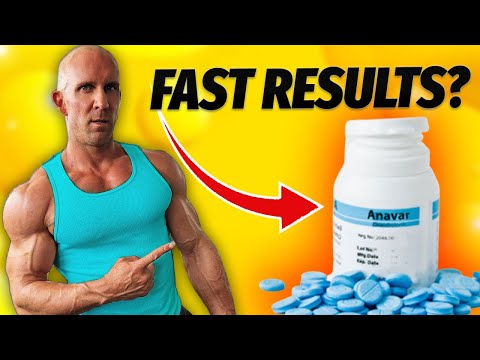
Yes, Anavar can absolutely lead to high blood pressure or heart strain, even though it’s considered one of the milder steroids. The drug causes your body to retain sodium and water, which increases blood volume and puts direct pressure on artery walls. Over time, this raises your systolic and diastolic readings, forcing your heart to work harder to pump blood. Some users also experience a negative impact on their HDL (good) cholesterol, accelerating plaque buildup in arteries. This combination of high pressure and reduced cardiovascular protection creates real long-term heart strain risk. Even low doses can trigger these effects, especially if you’re already prone to hypertension.
Anavar can directly cause high blood pressure and heart strain by increasing fluid retention and lowering good cholesterol, forcing the heart to pump harder over time.
Does Anavar Increase the Risk of Blood Clots or Stroke?
Anavar (oxandrolone) use can increase the risk of blood clots and stroke through its impact on hemostasis. The drug elevates fibrinogen levels and reduces fibrinolytic activity, while also increasing platelet aggregation. This prothrombotic state raises the likelihood of venous thromboembolism, including deep vein thrombosis and pulmonary embolism. For stroke risk, Anavar can negatively affect cholesterol profiles, lowering HDL and raising LDL, which accelerates atherosclerosis. Additionally, it may cause polycythemia (increased red blood cell mass), further raising blood viscosity. The sequence of risk progression typically follows:
- Altered lipid profiles and increased platelet reactivity develop.
- Atherosclerotic plaque formation is accelerated in cerebral arteries.
- Elevated hematocrit and blood viscosity impair microcirculation.
- Combined effects heighten the probability of thrombotic stroke or embolism.

How Can You Minimize or Manage These Side Effects Effectively?
To minimize anavar’s side effects, you must control both dosage and duration—never exceed 50mg daily and limit cycles to 6-8 weeks. Liver toxicity is managed with TUDCA or milk thistle, while regular lipid panels track cholesterol suppression. For joint pain or testosterone suppression, incorporate DHEA and ensure a proper post-cycle therapy with SERMs like nolvadex. Hydration and reduced sodium intake counteract water retention and blood pressure spikes.
Never combine anavar with other liver-stressing compounds, and always avoid alcohol entirely during the cycle.
Frequent cardio and low-dose aspirin can mitigate cardiovascular strain. Discontinue immediately if HDL drops below 20 mg/dL or severe lower back pain indicates kidney stress. Monitoring blood work every two weeks is non-negotiable.
What Dosage Adjustments Help Reduce Toxicity Without Losing Gains?
For minimizing Anavar side effects, the most effective dosage adjustment is capping intake at 50 mg daily for men and 10–20 mg for women, maintaining gains with lower toxicity. Running cycles of 6–8 weeks prevents cumulative liver strain. Splitting the daily dose into two smaller servings—morning and evening—keeps blood levels stable, reducing hepatotoxicity while preserving muscle preservation. Avoid any dosage escalation beyond these thresholds, as the risk-to-reward ratio flips sharply. Q: What dosage adjustments help reduce toxicity without losing gains? A: The key is adhering to a moderate dose cap of 50 mg/day for men and splitting doses, which lowers liver burden while still providing full anabolic effect for lean tissue retention.
Which Lifestyle Changes and Supplements Support Safer Use?
To support safer use, prioritize liver support supplements like milk thistle or N-acetylcysteine to counter potential hepatotoxicity. Maintain hydration and a reduced-sodium diet to manage blood pressure fluctuations. Regular lipid panel monitoring combined with omega-3 fish oil supplementation can help offset LDL increases. Avoid caffeine and stimulants if you experience heightened anxiety or cardiac strain. Cardio-focused activity, such as walking or cycling, preserves cardiovascular function during the cycle.
Support safer use by taking liver support supplements, monitoring lipids with omega-3s, staying hydrated, limiting sodium, and adapting exercise to reduce cardiovascular and hepatic strain.